Akira Kurosawa
Directed Seven Samurai and Rashomon, revolutionizing editing, weather as drama, and the visual grammar of action cinema.

Veronica's Take
Akira Kurosawa, the legendary Japanese director behind *Seven Samurai* and *Rashomon*, transformed rain into a gripping character and crafted action scenes with a rhythm that redefined movement on screen. His meticulous approach to editing and his groundbreaking use of weather as a dramatic device showed Hollywood how to infuse films with a new kind of energy, inspiring countless remakes and influencing generations of filmmakers. Kurosawa's relentless dedication to visual storytelling and his pursuit of a distinct cinematic language cemented his legacy as a master whose work continues to captivate and inspire.
He shot rain like it owed him money and cut action so it finally made kinetic sense, teaching Hollywood how to move the camera by making films it spent decades remaking.
Key Facts
The people behind Akira Kurosawa
Akira Kurosawa
profileFilm Direction — historical
Directed Seven Samurai and Rashomon, revolutionizing editing, weather as drama, and the visual grammar of action cinema.
Browse by discipline
More masters worth your time
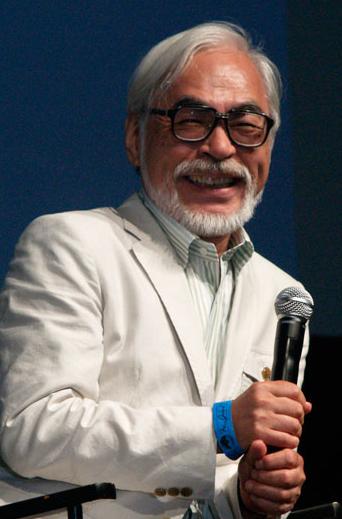
Hayao Miyazaki
Co-founded Studio Ghibli and directed Spirited Away, hand-drawing worlds of unmatched emotional and natural detail.

Roger Deakins
Shot Blade Runner 2049 and 1917, mastering naturalistic light and the long-take illusion of continuous time.
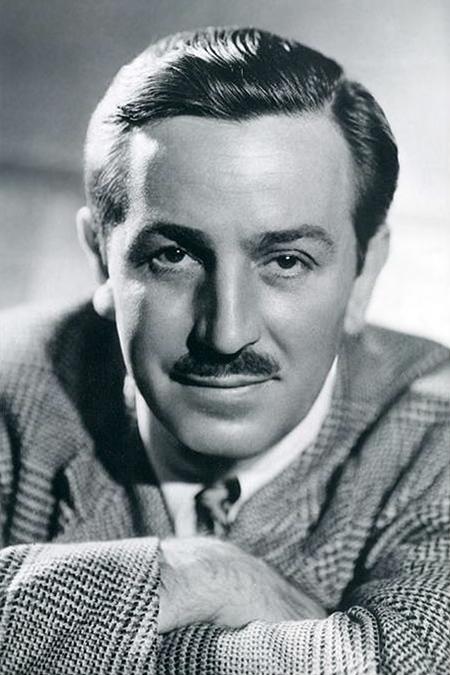
Walt Disney
Produced the first full-length animated feature, Snow White, and drove the multiplane camera and synchronized sound in animation.

Ben Burtt
Created the sound of the lightsaber, R2-D2, and WALL-E, inventing the modern craft of narrative sound design.
Want discoveries like this in your inbox every morning?
One master of craft. Every morning. Chosen by someone with actual standards and zero patience for the mediocre. Free forever, unsubscribe whenever.