Kathe Kollwitz
Made prints and drawings of grief, poverty and war that gave working-class suffering unflinching monumental dignity.
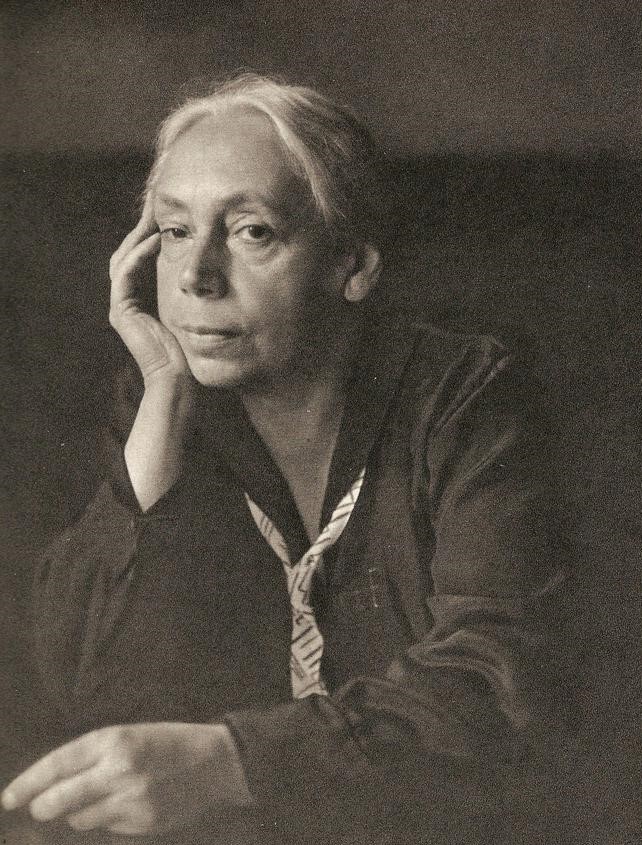
Veronica's Take
Käthe Kollwitz, the German printmaker who died in 1945, left an indelible mark with her haunting, monumental depictions of working-class suffering—mothers cradling dead children, the anguish of poverty, and the brutal realities of war. Her work, fueled by personal loss after her son was killed in World War I, is a relentless exploration of empathy, rendered in unforgiving charcoal that forces the viewer to confront the pain head-on. Kollwitz's prints and drawings stand out in art history for their raw, visceral intensity, channeling grief with a power that few artists have achieved.
She drew mothers clutching dead children with a mercilessness born of losing her own son to war — no artist has made empathy hit this hard in charcoal.
Key Facts
The people behind Kathe Kollwitz
Kathe Kollwitz
profilePrintmaking — historical
Made prints and drawings of grief, poverty and war that gave working-class suffering unflinching monumental dignity.
Browse by discipline
More masters worth your time

Bozar
Centre for Fine Arts | Bozar Brussels

Katsushika Hokusai
Created 'The Great Wave off Kanagawa' and the woodblock series that shaped ukiyo-e and later European modernism.

Rembrandt van Rijn
Redefined portraiture and etching through radical use of light, shadow and raw psychological presence.

Constantin Brancusi
Stripped sculpture down to pure, polished essential form, founding a modernist language of abstraction.
Want discoveries like this in your inbox every morning?
One master of craft. Every morning. Chosen by someone with actual standards and zero patience for the mediocre. Free forever, unsubscribe whenever.