Linkerd
Open-source service mesh for Kubernetes that provides observability, reliability, and security features. The linkerd-des
Our Take
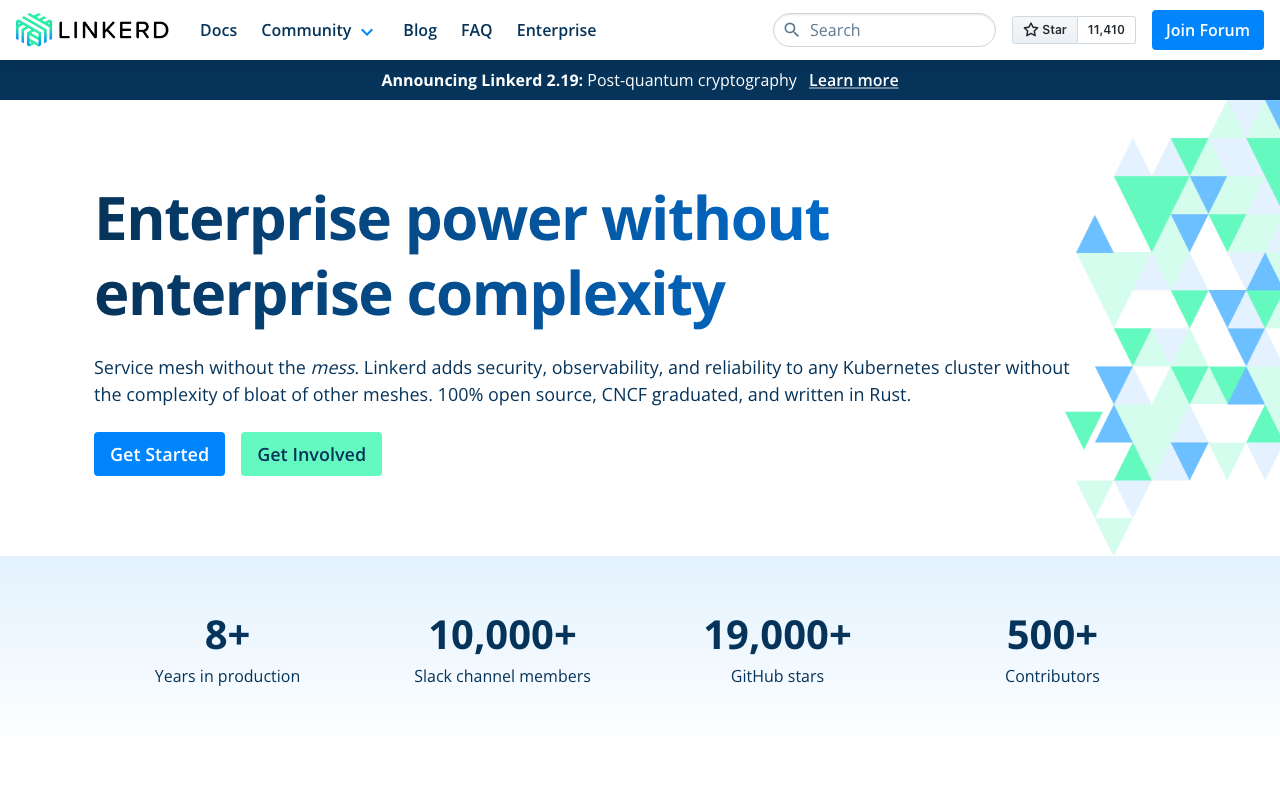
Linkerd is the service mesh that other service meshes wish they could be. Eight years in production, 19,000+ GitHub stars, 500+ contributors, and it's the only mesh written in Rust. That matters because while everyone else was burning through CVEs and buffer overflow exploits, Linkerd was out here writing memory-safe code that doesn't want to hack your infrastructure.
Here's the thing: benchmarks show Linkerd is dramatically faster than Istio while consuming just a fraction of the system resources. This isn't marketing hype—this is the math. When you're running a service mesh in production, those fractions add up to real money in your cloud bill and fewer middle-of-the-night pages. Linkerd adds zero-config mutual TLS, instant platform health metrics, latency-aware load balancing, and cross-cluster failover to any Kubernetes cluster without the complexity or bloat of other meshes. Minimal YAML. Few CRDs. No magic.
It started at Buoyant and became a CNCF graduated project—the kind of project that companies trust with their actual production infrastructure because when stuff breaks at 2am, you need tools that just work, not tools that require a PhD in distributed systems to configure. Version 2.19 just dropped with post-quantum cryptography because Linkerd is thinking about threats that most meshes haven't even acknowledged yet.
Open-source service mesh for Kubernetes that provides observability, reliability, and security features. The linkerd-destination component handles service discovery, policy distribution, and Layer 7 rules.
Key Facts
The people behind Linkerd
Links
Browse by category
Similar products worth knowing
Pierre Computer
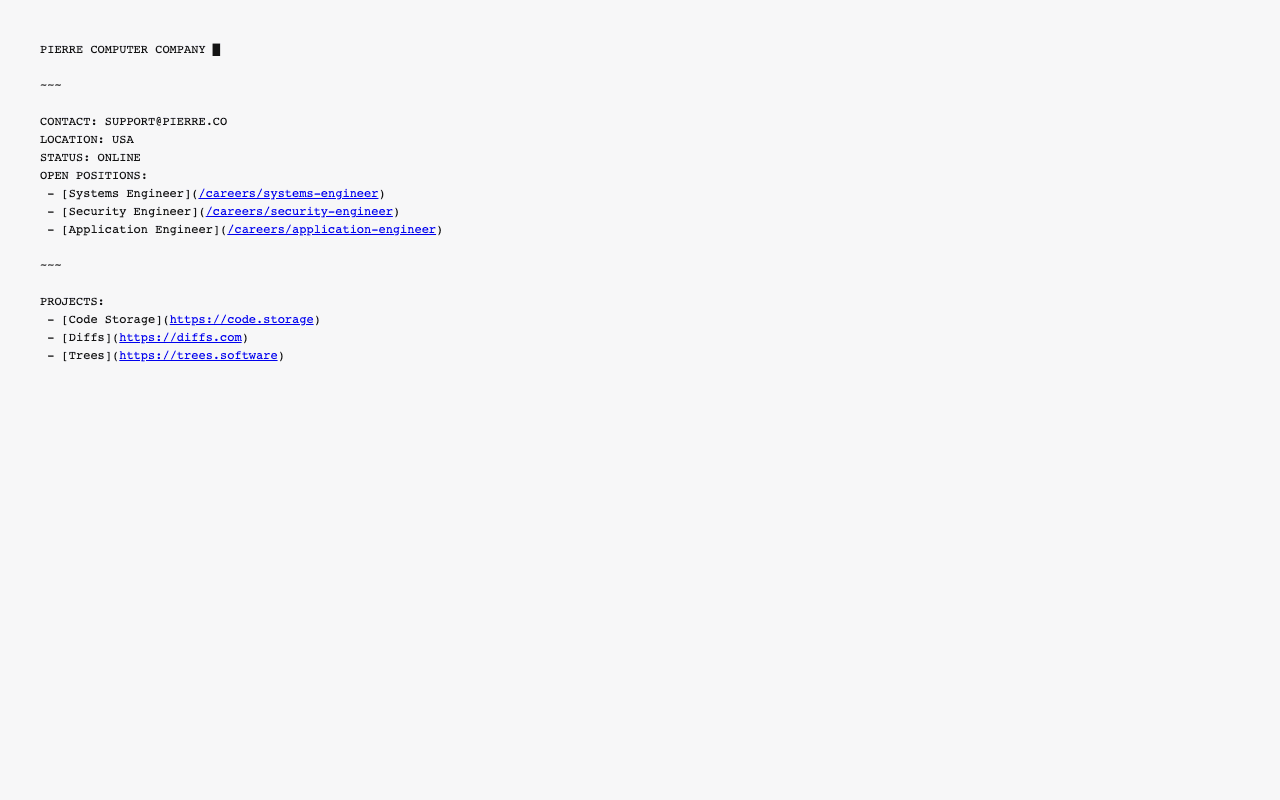
AI-native git platform designed for AI agents pushing code, handling massive scale (15,000+ repos per minute) compared t
vLLM
Open-source inference serving engine for LLMs, with day-0 support for Gemma 4 across GPU/TPU
Cognichip
Startup building deep learning models that work alongside engineers to design new computer chips, potentially cutting ch

Taalas
Develops custom AI inference hardware (AI cards) optimized for running open-weight models like Llama 3-8B, achieving 17,
Want products like this in your inbox every morning?
Five products. Every morning. Written by someone who actually cares whether they're good or not. Free forever, unsubscribe whenever.