Robert Moog
Built the first commercially viable voltage-controlled modular synthesizer, giving musicians a playable electronic instrument.

Veronica's Take
Robert Moog, the unhinged genius who turned electrical voltage into a playable instrument, launched the first commercially viable voltage-controlled modular synthesizer in the 1960s—and every synth bassline and electronic pad since has been living in his shadow. Before Moog, electronic music was a tangled mess of wires and lab equipment; he gave musicians a keyboard and patch cords, turning abstract sound design into an art form you could perform live. His obsession with making electronic music accessible without compromising its wild, unhinged potential changed the entire landscape of music, giving us the analog synth sound that still defines genres today.
He turned voltage into a keyboard you could actually perform, and every squelching bassline and analog pad since owes rent to his patch cords.
Key Facts
The people behind Robert Moog
Robert Moog
profileSynth Builder — historical
Built the first commercially viable voltage-controlled modular synthesizer, giving musicians a playable electronic instrument.
Links
Browse by discipline
More masters worth your time

Antonio Stradivari
Crafted violins in Cremona whose tonal power and clarity remain the acoustic benchmark no maker has convincingly surpassed.
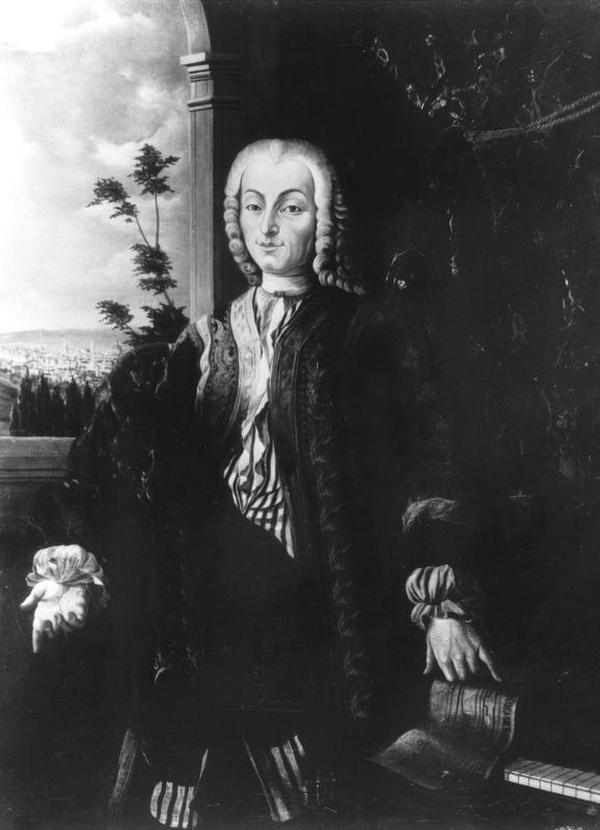
Bartolomeo Cristofori
Invented the piano around 1700 by devising a hammer action that let a keyboard play both soft and loud.
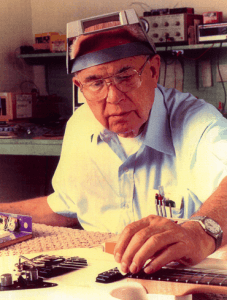
Leo Fender
Designed the mass-producible Telecaster, Stratocaster and Precision Bass, making the solid-body electric guitar a household object.
Ikutaro Kakehashi
Founded Roland and co-created MIDI, plus the TR-808 and TB-303 machines that built modern electronic music.
Want discoveries like this in your inbox every morning?
One master of craft. Every morning. Chosen by someone with actual standards and zero patience for the mediocre. Free forever, unsubscribe whenever.