Dieter Rams
Defined Braun's product language and codified the ten principles of good design that shaped modern industrial aesthetics.

Veronica's Take
Dieter Rams, the German industrial design legend born in 1932, didn't just shape Braun's iconic aesthetic—he laid down the ten commandments of good design that still echo in every minimalist gadget you own. His heresy? "Less, but better," a philosophy that transformed clutter into a moral failing and inspired a generation of designers to strip away the unnecessary. Rams' principles, from innovation to honesty to environmental friendliness, are the silent DNA of modern industrial design, and his influence is so pervasive that half the devices in your pocket are quietly indebted to his obsessive devotion to simplicity.
His ten commandments of design boil down to one heresy — less, but better — and half the gadgets in your pocket are quietly plagiarizing a man who thought clutter was a moral failing.
Key Facts
The people behind Dieter Rams
Dieter Rams
profileIndustrial Design
Defined Braun's product language and codified the ten principles of good design that shaped modern industrial aesthetics.
Links
Browse by discipline
More masters worth your time

Thomas Edison
Developed the first commercially practical incandescent light bulb and the systems to power it, electrifying everyday life.
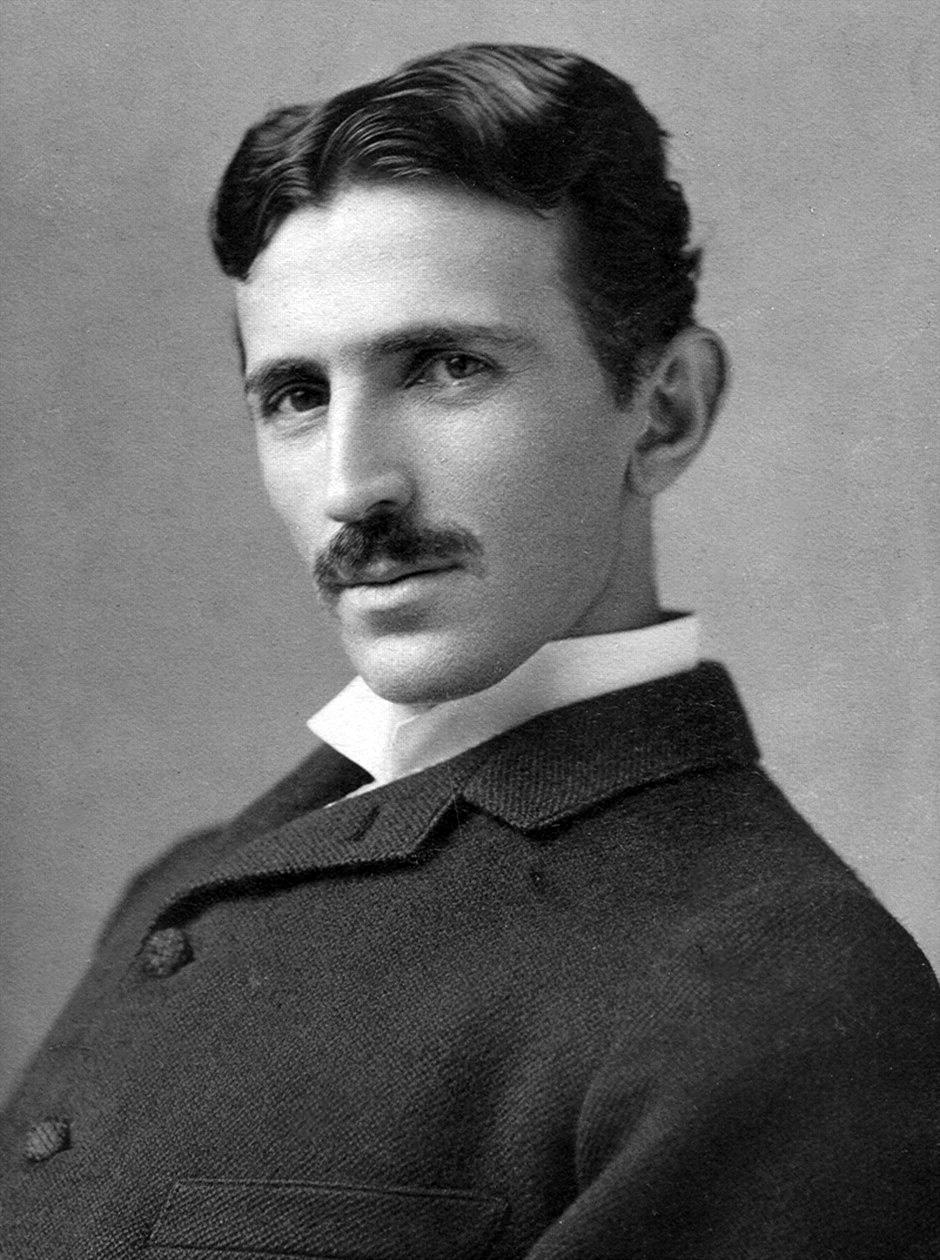
Nikola Tesla
Pioneered the alternating-current system that became the global standard for electrical power transmission.

Jony Ive
Led the design of the iMac, iPod, and iPhone, making the seamless minimalist object the dominant form of consumer technology.

Naoto Fukasawa
Coined 'design dissolving in behaviour' and created MUJI's wall-mounted CD player, an icon of intuitive product design.
Want discoveries like this in your inbox every morning?
One master of craft. Every morning. Chosen by someone with actual standards and zero patience for the mediocre. Free forever, unsubscribe whenever.