Nusrat Fateh Ali Khan
Pakistani qawwal whose staggering vocal range and improvisation brought centuries-old Sufi devotional music to global stages and film.

Veronica's Take
Nusrat Fateh Ali Khan, the Pakistani qawwal who redefined the boundaries of vocal performance, could hold audiences spellbound for twenty minutes on a single syllable, his voice an unhinged force of nature that brought centuries-old Sufi devotional music to the global stage. With a staggering vocal range and improvisational mastery, he transformed qawwali from a sacred ritual into a worldwide phenomenon, influencing everyone from Bollywood to international music festivals. His ability to blend raw, ecstatic energy with technical precision made him a dark horse who transcended cultural and religious divides, leaving an indelible mark on the world of music.
He could hold a crowd in ecstatic suspension for twenty minutes on a single syllable — a voice so athletic it dragged Sufi trance onto the world's biggest stages.
Key Facts
The people behind Nusrat Fateh Ali Khan
Nusrat Fateh Ali Khan
profileQawwali / Vocals — historical
Pakistani qawwal whose staggering vocal range and improvisation brought centuries-old Sufi devotional music to global stages and film.
Browse by discipline
More masters worth your time

Antonio Stradivari
Crafted violins in Cremona whose tonal power and clarity remain the acoustic benchmark no maker has convincingly surpassed.
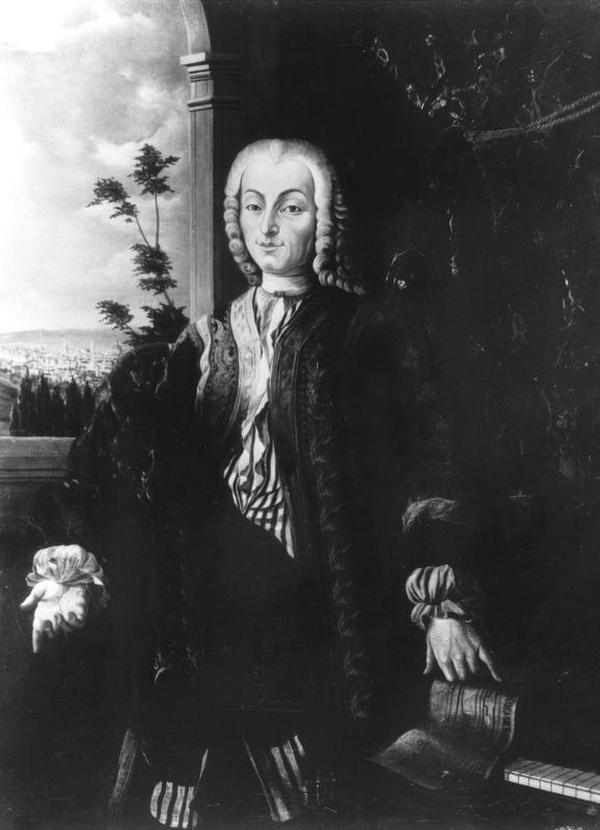
Bartolomeo Cristofori
Invented the piano around 1700 by devising a hammer action that let a keyboard play both soft and loud.
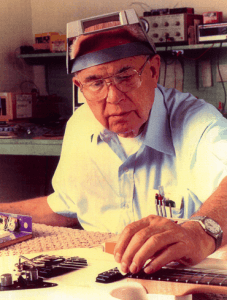
Leo Fender
Designed the mass-producible Telecaster, Stratocaster and Precision Bass, making the solid-body electric guitar a household object.
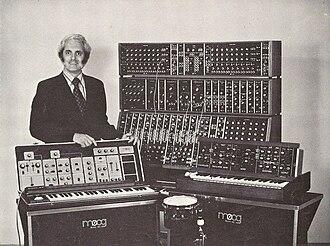
Robert Moog
Built the first commercially viable voltage-controlled modular synthesizer, giving musicians a playable electronic instrument.
Want discoveries like this in your inbox every morning?
One master of craft. Every morning. Chosen by someone with actual standards and zero patience for the mediocre. Free forever, unsubscribe whenever.