Frank Lloyd Wright
Pioneered organic architecture with Fallingwater and Prairie-style homes that dissolved the wall between building and landscape.
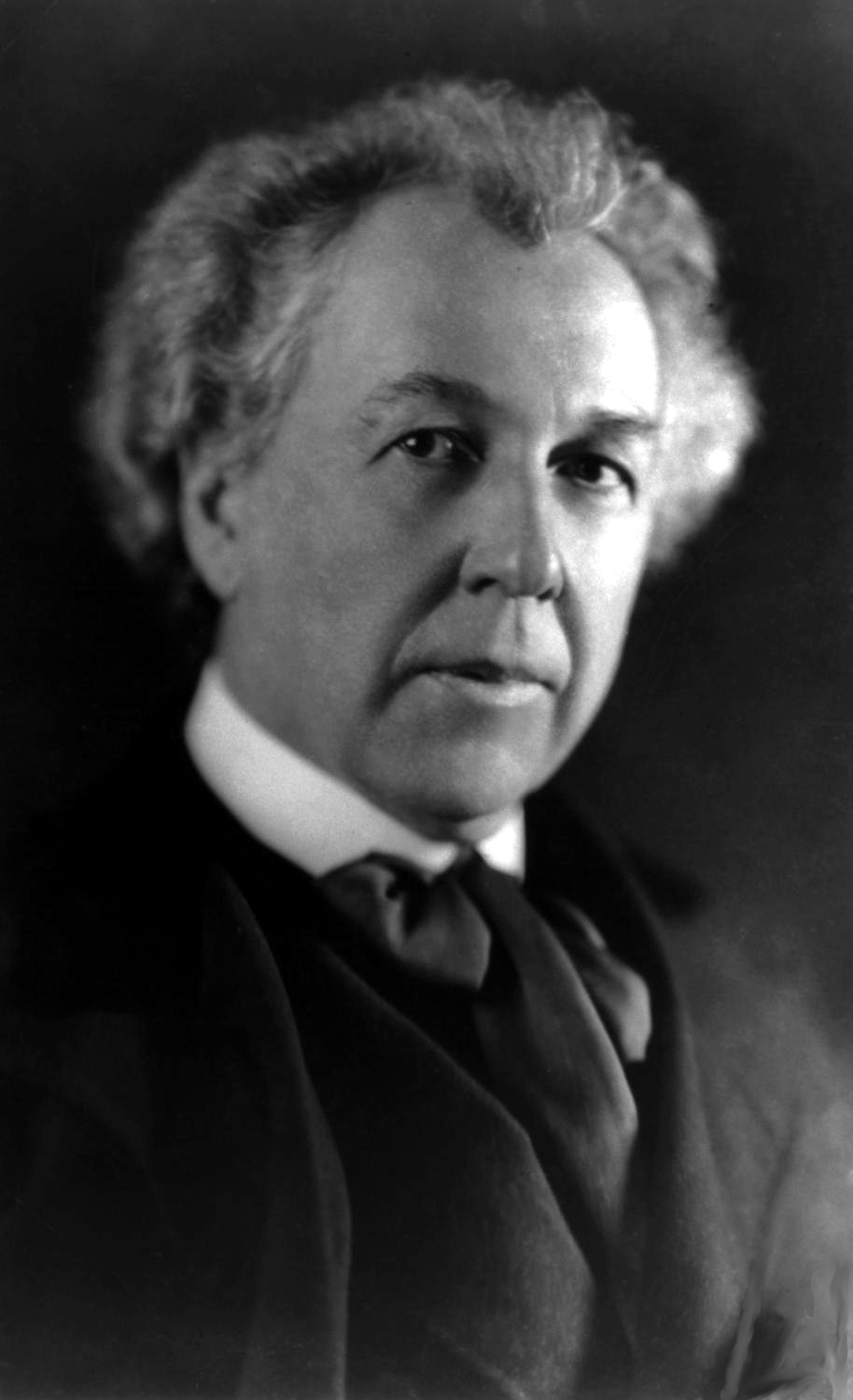
Veronica's Take
Frank Lloyd Wright, the architect who redefined the very idea of space, spent seven decades dismantling the walls between building and landscape. His iconic Fallingwater, a house daringly cantilevered over a waterfall, was a bold declaration that architecture could be anchored to its surroundings, not just sit on top of them. With his Prairie-style homes, Wright crafted spaces that seemed to emerge from the earth, blurring the line between nature and structure. His relentless pursuit of organic design left a legacy of buildings that feel like they grew from the land itself.
He cantilevered a house over a waterfall just to prove a building could belong to its ground, and spent seventy years insisting architecture should grow from a place, not squat on it.
Key Facts
The people behind Frank Lloyd Wright
Frank Lloyd Wright
profileArchitecture — historical
Pioneered organic architecture with Fallingwater and Prairie-style homes that dissolved the wall between building and landscape.
Browse by discipline
More masters worth your time
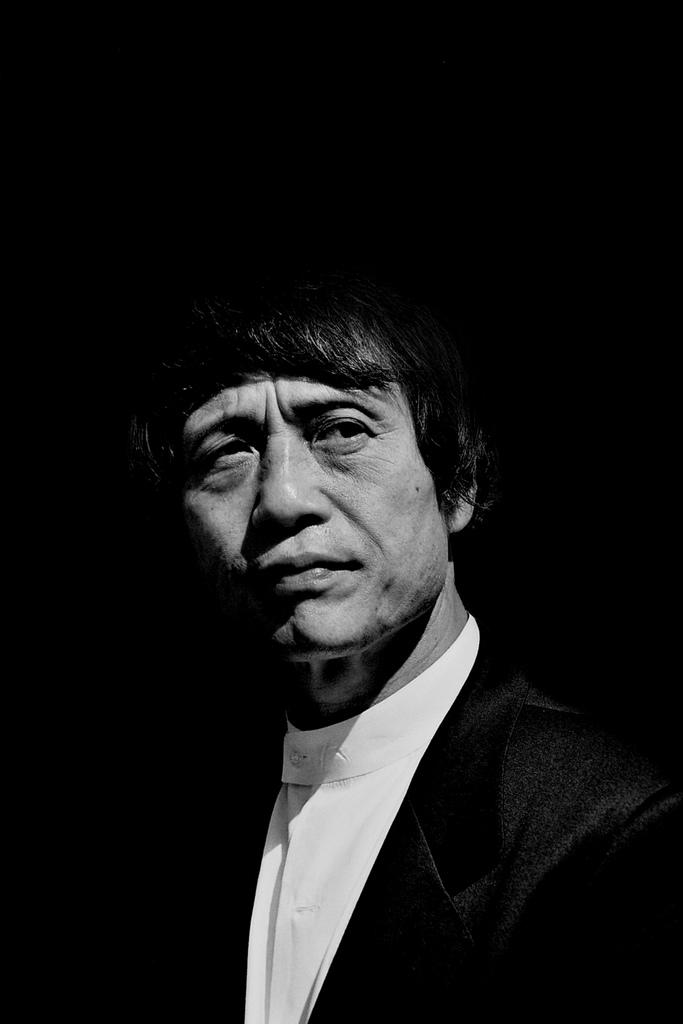
Tadao Ando
A self-taught former boxer who mastered board-formed concrete and light, exemplified by the Church of the Light.
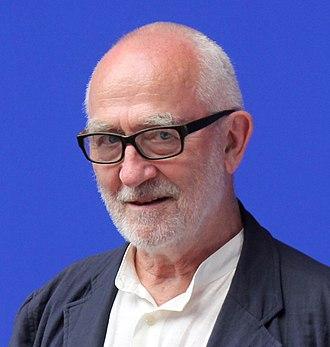
Peter Zumthor
Designed the Therme Vals thermal baths, an exercise in atmosphere, stone, water, and light that redefined phenomenological architecture.

Kengo Kuma
Developed a 'weak architecture' of layered timber and traditional joinery, realized at the Tokyo National Stadium and countless wooden lattices.

Zaha Hadid
The first woman to win the Pritzker Prize, she pioneered parametric, fluid forms once dismissed as unbuildable.
Want discoveries like this in your inbox every morning?
One master of craft. Every morning. Chosen by someone with actual standards and zero patience for the mediocre. Free forever, unsubscribe whenever.