Kengo Kuma
Developed a 'weak architecture' of layered timber and traditional joinery, realized at the Tokyo National Stadium and countless wooden lattices.

Veronica's Take
Kengo Kuma, the Japanese architect born in 1954, has quietly waged a war on concrete with his signature 'weak architecture' — a mesmerizing approach that uses layered timber and traditional joinery to create buildings that breathe rather than loom. At the Tokyo National Stadium and in countless wooden lattices, he proves that architecture can be both monumental and intimate, weaving structures that feel almost alive. His devotion to wood over concrete has shifted the conversation in the industry, making him a dark horse in the world of modern design.
He wages a quiet war on concrete, weaving buildings out of thin wooden slats until architecture stops looming and starts breathing — the anti-monument, on purpose.
Key Facts
The people behind Kengo Kuma
Kengo Kuma
profileArchitecture
Developed a 'weak architecture' of layered timber and traditional joinery, realized at the Tokyo National Stadium and countless wooden lattices.
Links
Browse by discipline
More masters worth your time
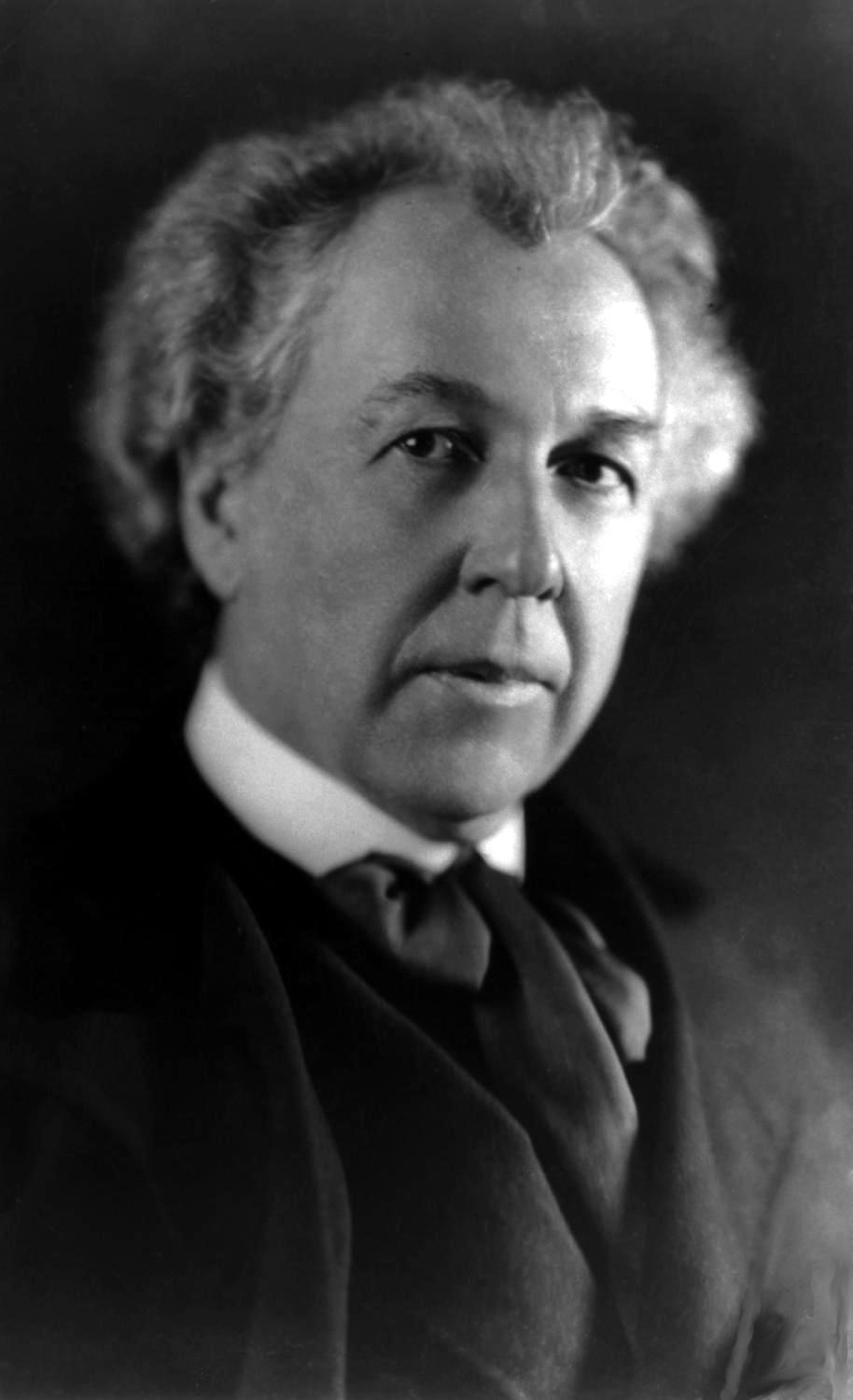
Frank Lloyd Wright
Pioneered organic architecture with Fallingwater and Prairie-style homes that dissolved the wall between building and landscape.
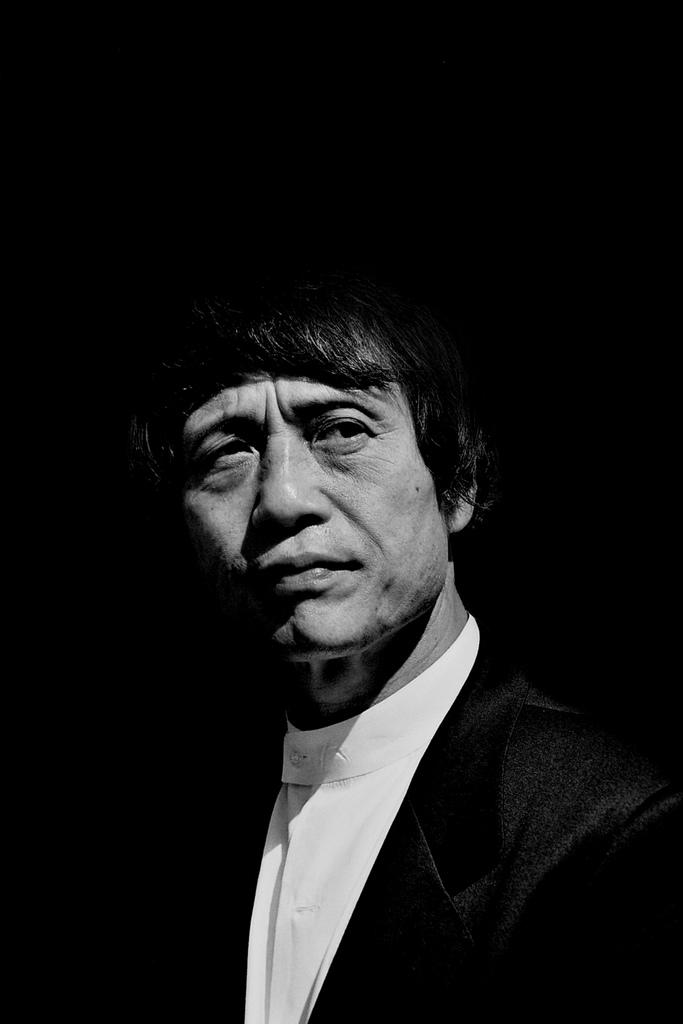
Tadao Ando
A self-taught former boxer who mastered board-formed concrete and light, exemplified by the Church of the Light.
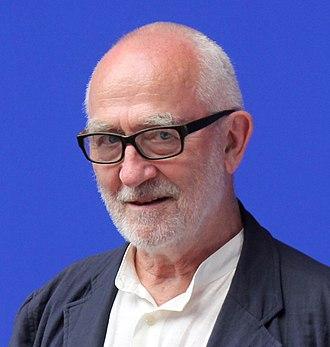
Peter Zumthor
Designed the Therme Vals thermal baths, an exercise in atmosphere, stone, water, and light that redefined phenomenological architecture.

Zaha Hadid
The first woman to win the Pritzker Prize, she pioneered parametric, fluid forms once dismissed as unbuildable.
Want discoveries like this in your inbox every morning?
One master of craft. Every morning. Chosen by someone with actual standards and zero patience for the mediocre. Free forever, unsubscribe whenever.