Zaha Hadid
The first woman to win the Pritzker Prize, she pioneered parametric, fluid forms once dismissed as unbuildable.

Veronica's Take
Zaha Hadid, the first woman to win the Pritzker Prize, shattered the glass ceiling of architecture with her audacious, fluid forms that were once dismissed as unbuildable. Her swooping, gravity-defying structures, like the Guangzhou Opera House and the Heydar Aliyev Center, redefined the skyline and left straight lines looking like relics of a bygone era. Born in Iraq and based in the UK, Hadid spent decades proving her critics wrong by turning her impossible-seeming drawings into iconic, award-winning buildings that continue to influence architects worldwide.
For years they called her drawings impossible to build, so she built them anyway — swooping, gravity-defying structures that made every straight-lined skyline look like it had given up too early.
Key Facts
The people behind Zaha Hadid
Zaha Hadid
profileArchitecture — historical
The first woman to win the Pritzker Prize, she pioneered parametric, fluid forms once dismissed as unbuildable.
Links
Browse by discipline
More masters worth your time
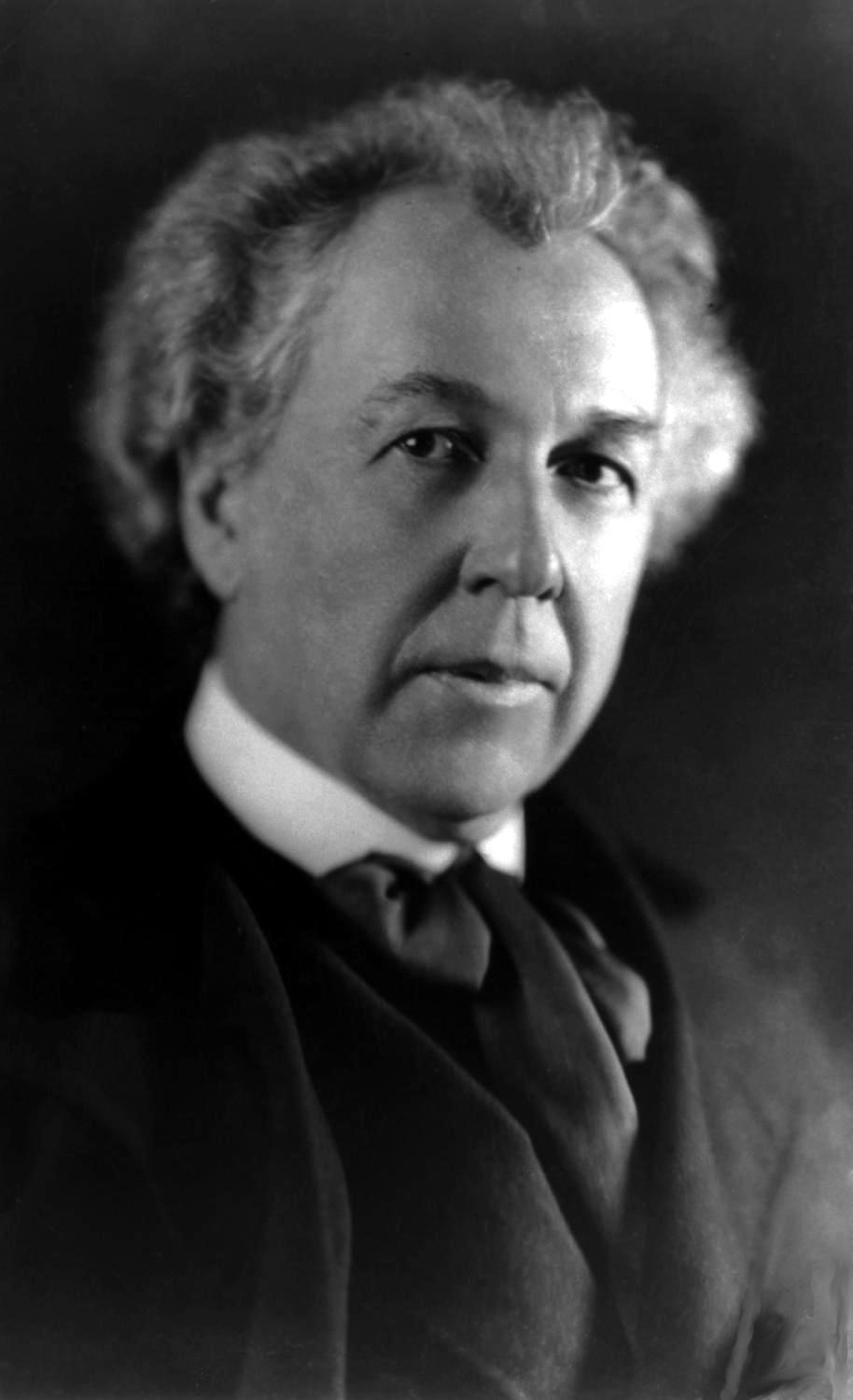
Frank Lloyd Wright
Pioneered organic architecture with Fallingwater and Prairie-style homes that dissolved the wall between building and landscape.
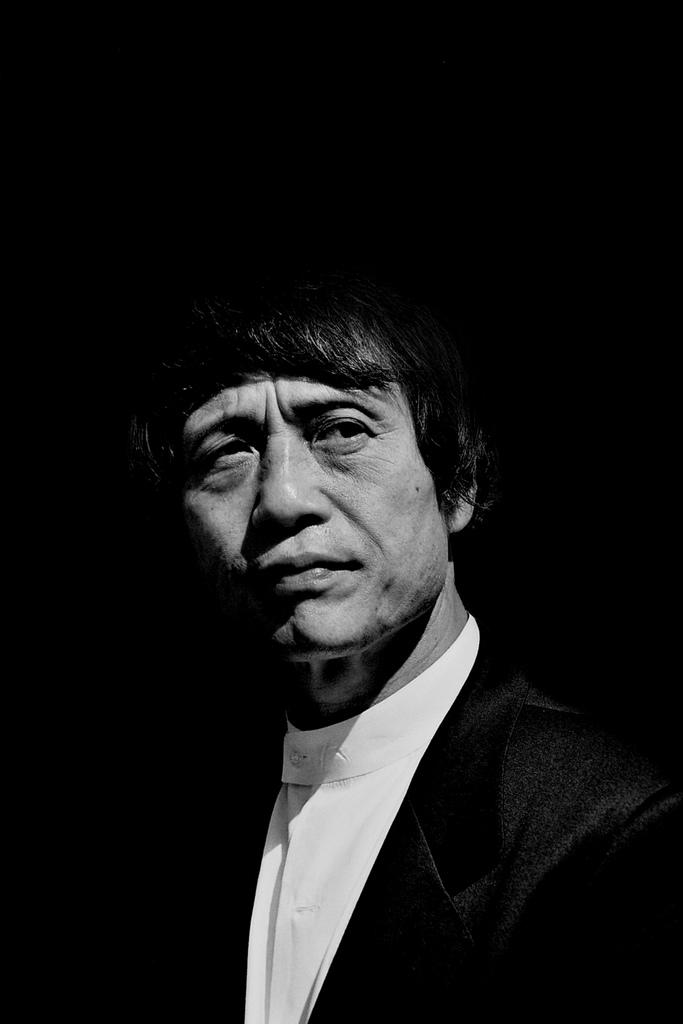
Tadao Ando
A self-taught former boxer who mastered board-formed concrete and light, exemplified by the Church of the Light.
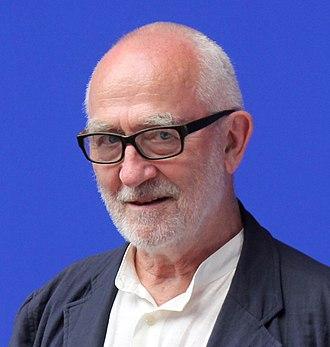
Peter Zumthor
Designed the Therme Vals thermal baths, an exercise in atmosphere, stone, water, and light that redefined phenomenological architecture.

Kengo Kuma
Developed a 'weak architecture' of layered timber and traditional joinery, realized at the Tokyo National Stadium and countless wooden lattices.
Want discoveries like this in your inbox every morning?
One master of craft. Every morning. Chosen by someone with actual standards and zero patience for the mediocre. Free forever, unsubscribe whenever.